
ART, COLLECTIONS, AND THE ENVIRONMENT
TWO-DAY PROFESSIONAL DEVELOPMENT
WORKSHOP SERIES
– Presented by Galeries Ontario / Ontario Galleries
March 16, 2022 – THE ENVIRONMENT FOR YOUR COLLECTION
March 17, 2022 – COLLECTING AND EXHIBITING THE ENVIRONMENTAL CRISIS
Join Us
Join Galeries Ontario / Ontario Galleries for our third and forth online professional development workshop of 2021-2022
Dates
March 16, 2022 – The Environment For Your Collection
March 17, 2022 – Collecting and Exhibiting The Environmental Crisis
Useful Info
Online Event – Zoom
11:00 am – 4:00pm EST (both days)
Registration closes March 15, 2022 at 5:00pm (EST)
Art, Collections, and the Environment is a two-day professional development workshop series about art galleries and museums’ impact on the current environmental crisis. Climate change has risen to be a global emergency, with recommendations following the 2015 Paris Climate Accord and the United Nations marking 2030 as the “point-of-no-return” if carbon emissions are not cut. For decades, artists have been involved in environmental issues and, more recently, with the Global Climate Strike and organizations such as “Artists for Real Climate Action” forming. Now more than ever, it is time for art galleries and their collections to join the fight and play their part in mitigating climate change. This two-day workshop will separate two of the critical areas that art galleries can focus on in helping with the environment crisis. Day One will focus on the physical spaces that house art galleries’ collections and reduce their environmental impact. Day Two will examine how art galleries can collect and programme with artists and artworks focusing on and promoting environmental issues.
DAY ONE – The physical art gallery building that displays, houses, and stores a collection is a key contributor to climate change. Many public art galleries use three times the amount of energy as office buildings of the same size and scale. The main factors at play in art galleries is the requirement of proper internal environments controlled by energy-sucking HVAC systems and proper lighting displays. Moreover, temporary exhibition materials (walls, paint, vinyl, etc.) and shipping artwork also contribute to the carbon footprint that art galleries create. Day 1 of this two-workshop will look at some of these factors and how art galleries can adapt their collections facilities to reduce their environmental impact including looking at best-practices, policies, certifications, and programmes designed to create sustainable art galleries.
DAY TWO – The second day of this two-part workshop will focus on how public art galleries and museums can bring environmental activism and change to their exhibition, collection, and programming. Climate change is here and beginning to affect all areas of life, including arts and culture. The arts play a major role in the contribution to unfriendly environmental practices. Art galleries need to acknowledge their role in environmental issues and respond by working with artists who address these issues. Art galleries need to continue to evolve their collecting and interpretive planning to help educate the public on these issues. Artists have been focused on climate change for decades now. Recent projects and exhibitions will be used in this workshop to highlight the possibilities for art galleries to engage publicly with this theme. This workshop will also address the climate and environmental injustices on Indigenous communities and their artists. Indigenous artists include the environment and the land in their artistic practices and environmental issues challenge their work and nations the most.
Day 1: THE ENVIRONMENT FOR YOUR COLLECTION
- How to Modify Your Building For Sustainability
- Making a Commitment to Change for Environmental Health
- Reduce Reuse Recycle: Sustainable Exhibition Making and Minimizing Waste
- Long Term Project Planning
- Panel Discussion: Art Galleries and the Future of Environmental Sustainability
Day 2: COLLECTING AND EXHIBITING THE ENVIRONMENTAL CRISIS
- Art Making as Activism – Environmental Protest in Galleries
- How Galleries Can Support Sustainable Art Practices
- Addressing Environmental Impact through Gallery Programming
- How the Intersection of Art and Science Creates Impact
Meet the Presenters of Day ONE

Presenter: Alex Glass, Executive Director, ArtsBuild Ontario
Alex is the Executive Director at ArtsBuild Ontario. She has been with the organization since 2015 and was previously its Program Manager. Throughout the years Alex managed the development of the Accessibility Toolkit for Creative Spaces in Ontario and corresponding six-part webinar series, Creative Spaces Case Study Series, and most recently the Indigenous Creative Spaces Project. Bringing 15 years of experience in the non-profit sector, Alex has previously worked with organizations such as the Hamilton Philharmonic Orchestra, Talisker Players Chamber Music and Canterbury Hills Camp & Conference Centre. She has an honors degree in English and Cultural Studies from McMaster University and graduate certificate in Public Relations from Mohawk College.
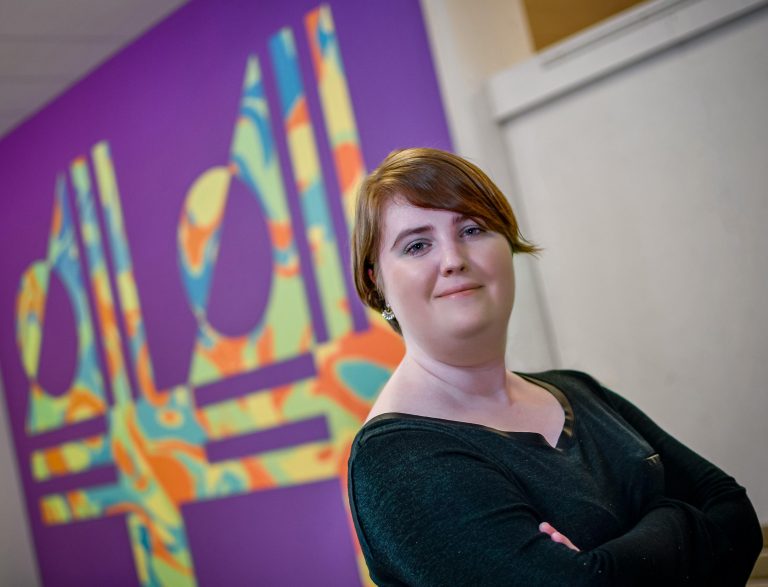
Presenter: Amy Poole Program Manager, ArtsBuild Ontario
Amy is the Program Manager at ArtsBuild Ontario. Amy Poole has been with ABO since December 2019, and is responsible for managing and executing all ABO programs – including ABO’s core programs: the Creative Spaces Mentoring Network and Asset Planner for the Arts. She also manages partnerships, and supports advocacy and development with each program. In addition to her work with ABO, Amy continues to develop her skills in program support and communications volunteering with the Erland Lee (Museum) Home and the Association for the Advancement of Scandinavian Studies in Canada. Amy holds two honours degrees which include a Bachelor of Arts degree in History and Labour Studies from Brock University, and a Master of Arts degree in History from the University of Guelph.

Presenter: Viviane Gosselin, Director of Collections and Exhibition, Curator of Contemporary Culture, Museum of Vancouver (MOV)
Viviane Gosselin (she/her/elle) is a White settler working on the unceded territories of the Musqueam, Squamish and Tsleil Waututh Nations. She is the Director of Collections and Exhibitions and Curator of Contemporary Culture at the Museum of Vancouver (MOV), Canada’s largest civic museum. Her work on historical and environmental literacy seeks to make the museum a more responsive, empathetic, and democratic public space that prompts people to recognize their own capacity to effect positive social change. Viviane has led and co-curated several exhibitions that have been awarded national and international recognitions. She has authored several journal articles on participatory museology and intercultural curation and climate literacy in museums and is co-editor of Museums and the Past: Constructing Historical Consciousness (UBC Press) and has presented her work as guest speaker in museum conferences in Canada, USA, Australia, and several European countries. Viviane is currently involved in developing sustainable exhibition design practices with a team of city staff, designers and deconstruction advocates. Her current research involves applying systems thinking and permaculture principles across museum functions including strategic planning, collaborative curation, programming and design work. Viviane was an executive board member for The History Education Network (THEN/HiER), ICOM Canada and is currently a member of the Advisory Group for the Coalition of Museums for Climate Justice.

Presenter: Douglas Worts, Culture and Sustainability Specialist, Consultant and Owner of WorldViews Consulting
Douglas Worts is a culture and sustainability specialist. In our fast-changing and precarious world, he sees museums as potential facilitators of an emerging ‘culture of sustainability’. Using both his art history and museum studies degrees, he spent 25 years at the AGO. There, he developed experimental exhibits and conducted integrated audience research to enhance relevancy and meaning-making for visitors. From 2008 to now, his focus has been on understanding and developing the ability of cultural organizations to generate meaningful public impacts and processes that support humanity’s adaptation to thrive within the constraints of the Anthropocene.
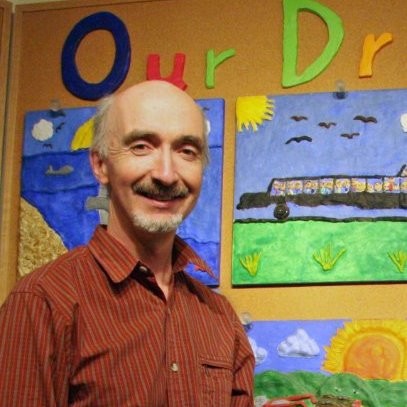
Presenter: DR. Glenn Sutter, LEAD, Curator of Human Ecology and Coordinator of Songs for Nature, Royal Saskatchewan Museum
Dr. Glenn Sutter is Curator of Human Ecology at the Royal Saskatchewan Museum. He is also an adjunct professor at both Saskatchewan universities and a Fellow of the international Leadership for Environment and Development program. He has been working on conservation and sustainability issues since the 1980s, when he was coordinator of the Global Change Program for the Royal Society of Canada. Through his current projects, Glenn tries to foster a “culture of sustainability” to help us meet the challenge of living well on a limited planet. He has also been exploring these issues as a performing songwriter.

Presenter: Bonnie Dong, Senior Engineer, Building Science & Sustainability, Alberta Infrastructure
Bonnie is a building science engineer and the in-house expert in sustainability and building science at Alberta Infrastructure (AI). She is a LEED AP+BD&C and a current Living Future Ambassador in Training and long-standing volunteer with the Edmonton Program Committee of the Alberta Chapter – CaGBC. She started her career in green buildings during graduate studies at the University of Toronto and has been passionate about minimizing the ecological footprint of buildings for over a decade. Bonnie has written numerous green building publications on a wide range of topics.
PRESENTERS: Laura Lupton & Deville Cohen, Co-Founders, Galleries Commit & Artists Commit
Galleries Commit is a worker-led collective committed to a climate-conscious, resilient, and equitable future for New York City galleries. Current initiatives include a public commitment letter, a climate action database and a collective land conservation partnership with Art to Acres. Artists Commit is an artist-led collective committed to a climate-conscious, resilient, and equitable future. While Galleries Commit is focused on providing gallery workers with tools to advocate for a climate-conscious, equitable, and resilient future. Artist Commit wanted to take actions that focus on the impact of the work we make and how it travels through the art world. Deville Cohen is a nondisciplinary artist based in New York City and a founding member of Artist Commit. Laura Lupton is a gallery worker and co-founder of Galleries Commit, Artists Commit and Barder.art.
Meet the Moderator and Presenters of Day Two
Moderator – Kirsty Robertson, Professor of Contemporary Art and Director of Museum and Curatorial Studies at Western University
Kirsty Robertson is Professor of Contemporary Art and Director of Museum and Curatorial Studies at Western University where she also directs the Centre for Sustainable Curating. Her pedagogy involves curating large-scale speculative and experimental exhibitions with students. In her academic work, Robertson has published widely on activism, visual culture and museums culminating in her book Tear Gas Epiphanies: Protest, Museums, Culture (McGill-Queen’s University Press, May 2019). Her work on museums has expanded into a new project focused on small and micro- collections that repurpose traditional museum formats for critical and politically radical projects. In addition, Robertson is a founding member of the Synthetic Collective, a group of artists, scientists and cultural researchers working on plastics pollution in the Great Lakes Region and project co-lead on A Museum for Future Fossils, an ongoing “vernacular museum” focused on responding curatorially to ecological crisis.
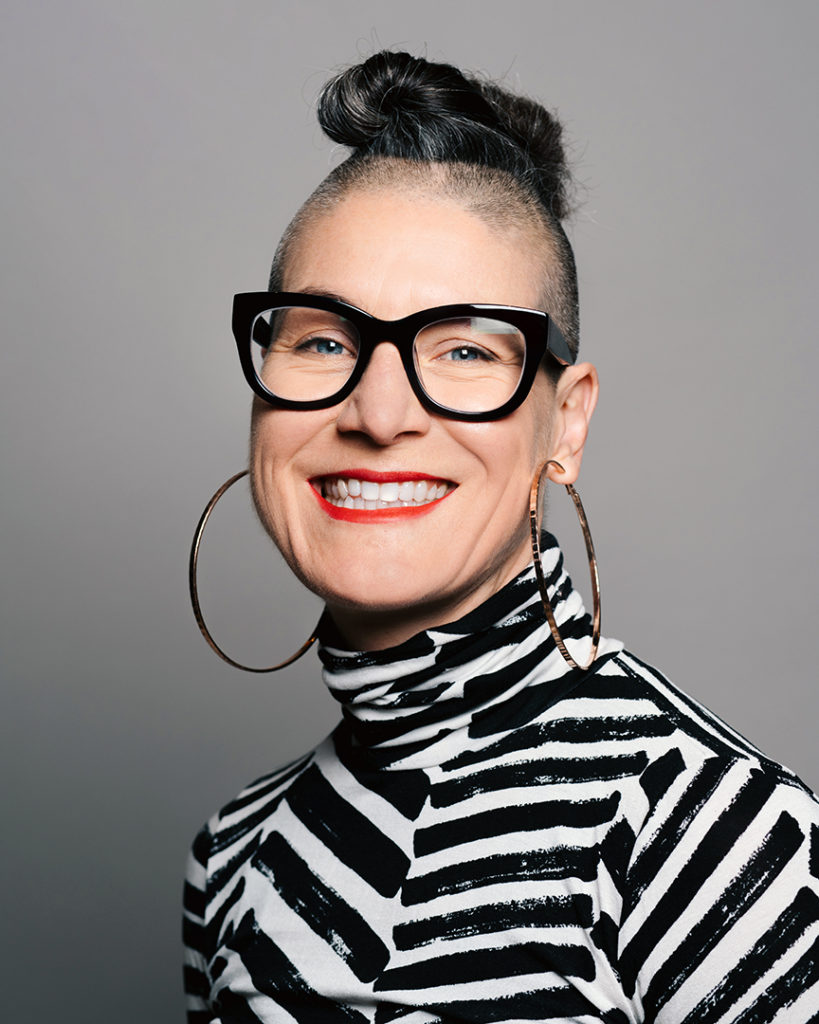
Presenter: Suzanne Carte, Senior Curator at the Art Gallery of Burlington
Suzanne Carte is an award-winning curator and cultural producer living in Toronto, Canada. She is the Senior Curator at the Art Gallery of Burlington, an institution at the intersection of contemporary art and craft. Previously, she was the Assistant Curator at the Art Gallery of York University (AGYU) focusing on the integration of exhibitions and public programming for over a decade. Within her independent practice, she has curated exhibitions in public spaces, artist-run centres, and commercial and public art galleries and previously, she held positions as outreach programmer for the Blackwood Gallery and the Art Gallery of Mississauga, and as professional development and public program coordinator at the Ontario Association of Art Galleries. Her critical writing has been published in the AGO’s A.I.R. publication for Meera Margaret Singh as well as in Magenta Magazine, Art Writ, and Huffington Post. Suzanne holds an MA in Contemporary Art History from Sotheby’s Art Institute in New York and a BFA from the University of Windsor, and she was a member of the 2017 Toronto Arts Council Leaders Lab
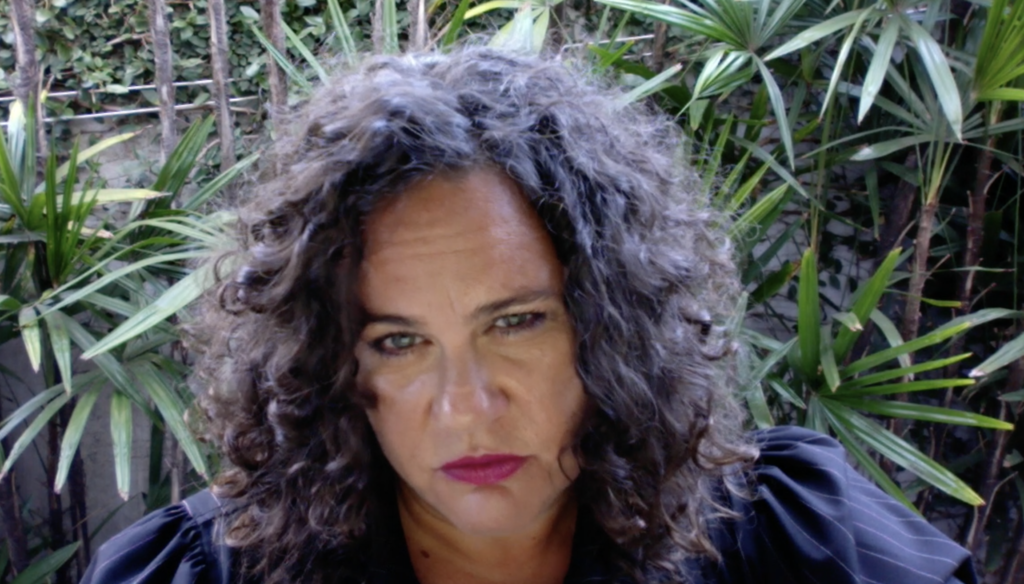
Presenter: Christine Shaw, Director/Curator, Blackwood Gallery and Associate Professor, Teaching Stream, Department of Visual Studies, University of Toronto Mississauga
Christine Shaw is a curator, editor, and educator whose work convenes, enables, and amplifies the transdisciplinary thinking necessary for understanding our current multi-scalar historical moment and co-creating the literacies, skills, and sensibilities required to adapt to the various socio-technical transformations of our contemporary society. She has established an innovative curatorial practice in Canada and is recognized for her experimental exhibition-led inquiries, the commissioning of complex works across all media, and the creation of long-term transdisciplinary and cross-sectoral collaborations performatively staged within and beyond the gallery and the university. Since 2014 she has been the Director/Curator of the Blackwood Gallery at the University of Toronto Mississauga, where she is also Associate Professor of Curatorial Studies.
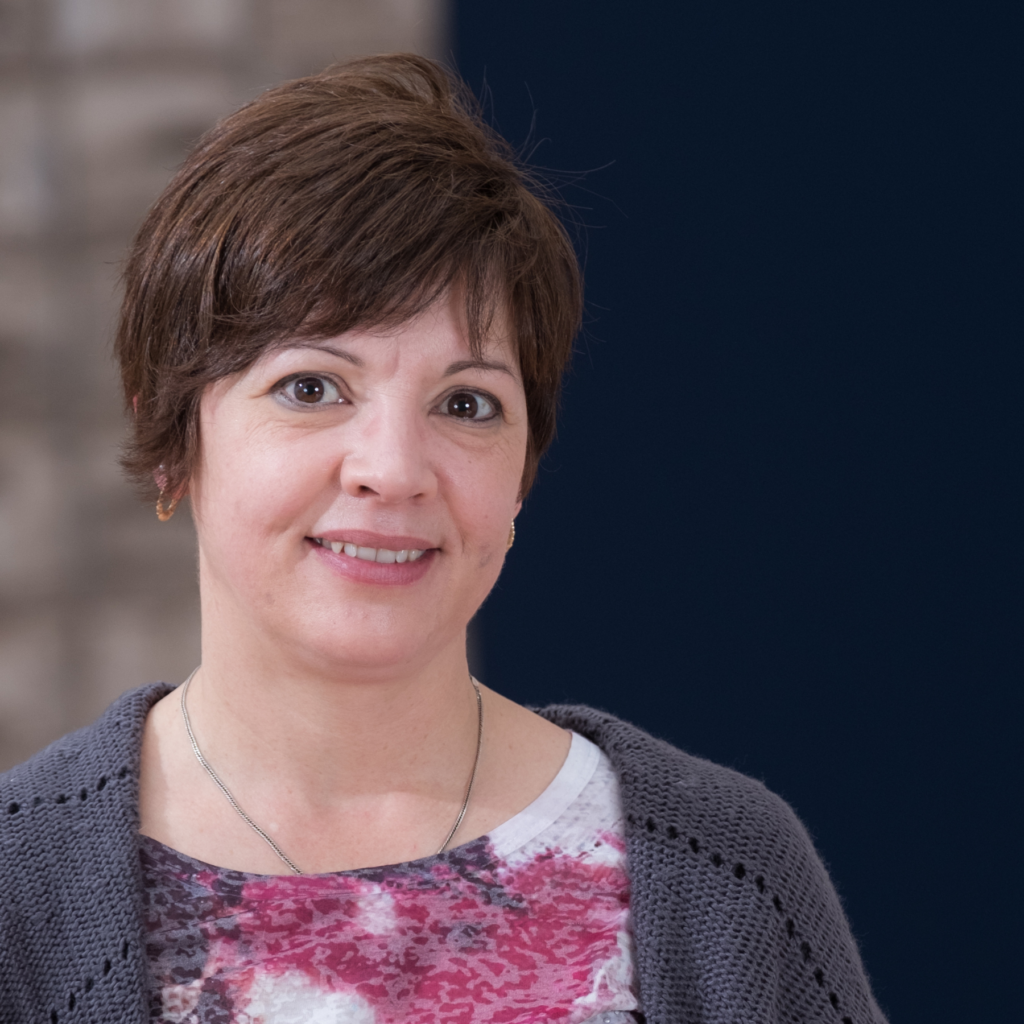
Presenter: Stephanie Porter, Head of Education, Woodstock Art Gallery
Stephanie Porter is Head of Education at the Woodstock Art Gallery. Since 2002 she brings art appreciation and enjoyment to all members of the Oxford County community. Stephanie obtained her Fine Arts Diploma from Fanshawe College, a BA in studio specialization from the University of Waterloo, and has completed the Business Communications Certificate program at the University of Waterloo continuing education. Most recently Stephanie was nominated for the Galeries Ontario / Ontario Galleries (GOG) Public program Award for New Impressions: High School Juried Exhibition. In 2021, Stephanie received the Jack Ross Memorial Award presented by the Children’s Aid Society of Oxford County.
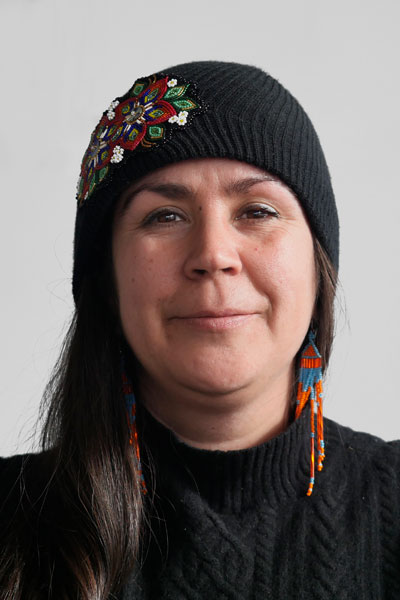
Presenter: Tania Willard, Artist & Curator & assistant professor in Creative Studies at UBCO
Tania Willard, Secwepemc Nation, works within the shifting ideas of contemporary and traditional as it relates to cultural arts and production. Often working with bodies of knowledge and skills that are conceptually linked to her interest in intersections between Aboriginal and other cultures. Willard has worked as a curator in residence with grunt gallery and Kamloops Art Gallery. Willard’s curatorial work includes Beat Nation: Art Hip Hop and Aboriginal Culture, a national touring exhibition first presented at Vancouver Art Gallery in 2011. As assistant professor in Creative Studies at UBCO (Kelowna BC) currently her research focuses on Secwepemc aesthetics/language/land and interrelated Indigenous art practices. Willard’s projects include BUSH gallery, a conceptual space for land based art and action led by Indigenous artists.
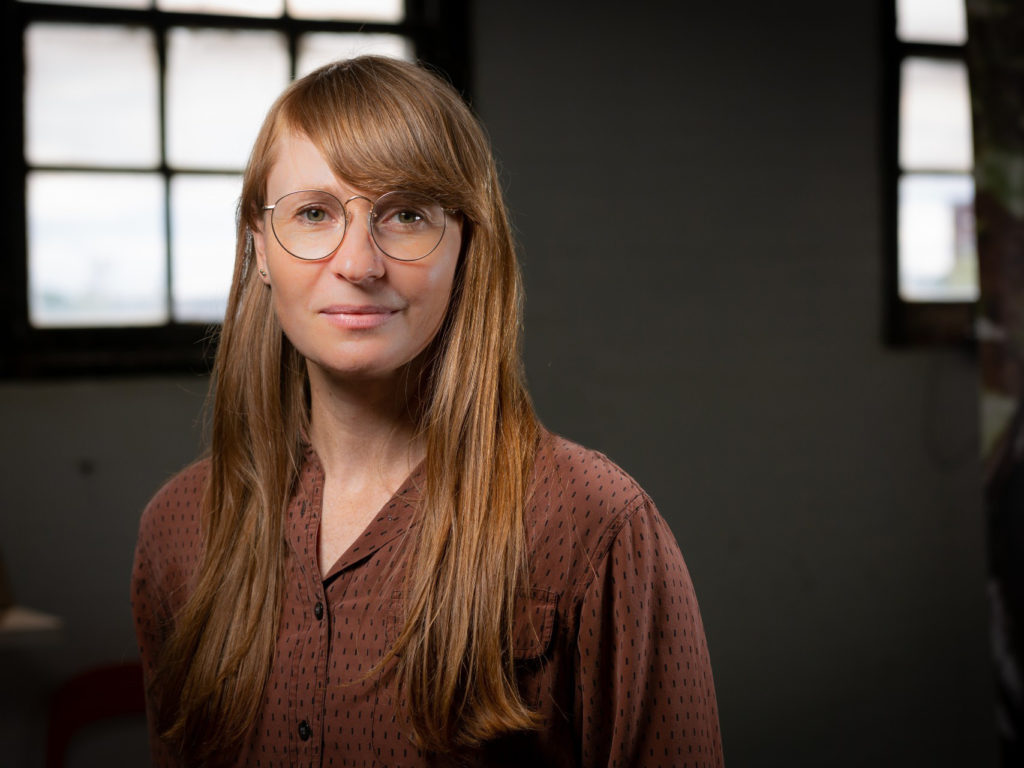
Presenter: Kelly Jazvac, Artist, founding member of the Synthetic Collective, and Graduate Program Director of the MFA program at Concordia University.
Kelly Jazvac makes art out of plastic recuperated from the advertising industry. She is interested in using sustainable art making processes to investigate the evidence of climate crisis-enabling behaviour that is present in this form of found photography. In doing so, she asks what these images reveal, but also what they could be. Jazvac is also part of a plastic pollution research team called The Synthetic Collective, which includes scientists, artists, and humanists. The work of this research group is highly influential on Jazvac’s artistic practice. Her recent exhibitions include Plastic Heart: Surface all the way through at the Art Museum of the University of Toronto; Polyempath Polyethylene at the MacLaren Art Centre (Barrie); and Broken Nature at The Museum of Modern Art (New York). She has also recently exhibited at The Musée D’Art Contemporain (Montréal); the Eli and Edyth Broad Museum (East Lansing); Ujazdowski Castle CCA (Warsaw); and FIERMAN Gallery (New York). Her work has been written about in National Geographic, e-flux Journal, Hyperallergic, Art Forum, The New Yorker, Canadian Art Magazine and The Brooklyn Rail. Her co-authored art/science research has been published in scientific journals including Nature Reviews,GSA Today, and Science of the Total Environment. Jazvac is based in Tiohtià:ke/Mooniyang/Montreal where she is the MFA Graduate Program Director in Studio Arts at Concordia University.
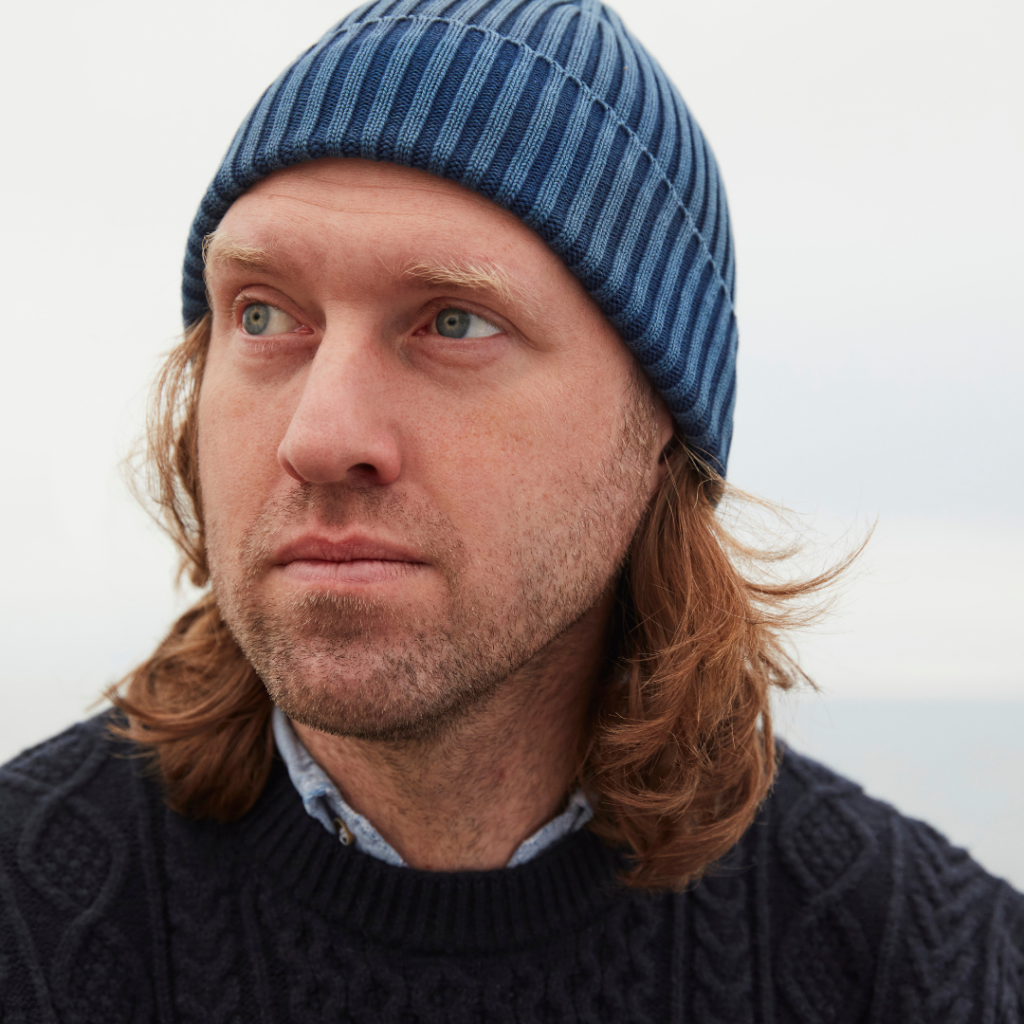
Presenter: Dr. Soren Brothers, Allan and Helaine Shiff Curator of Climate Change, Royal Ontario Museum
Dr. Soren Brothers is the Allan and Helaine Shiff Curator of Climate Change at the Royal Ontario Museum, Toronto. He is also an Assistant Professor at the Department of Ecology and Evolutionary Biology at the University of Toronto. Soren’s research examines the effects of climate change on lakes, and how changes in aquatic systems can influence their greenhouse gas emissions to the atmosphere. More broadly, he is interested in understanding how feedback loops and the transdisciplinary study of lakes can help us better understand and predict global tipping points that may accelerate anthropogenic climate change. Born in Mississauga and raised in Toronto, Soren has worked on lakes in a diverse array of environments around the world, including the Nunavut tundra, Quebec’s boreal forests, and the Great Lakes. He is leading a Global Lakes Ecological Observatory Network initiative to improve understanding of the widespread greenhouse gas impacts of desiccation. He is also passionate about science communication and community outreach and organized a climate change workshop at the United Nations Civil Society Conference in 2019. Before beginning at the ROM in 2021 he was an Assistant Professor of Limnology at Utah State University, and a CREATE program manager and postdoctoral fellow at the University of Guelph, focusing on multiple stressors and cumulative effects in the Great Lakes
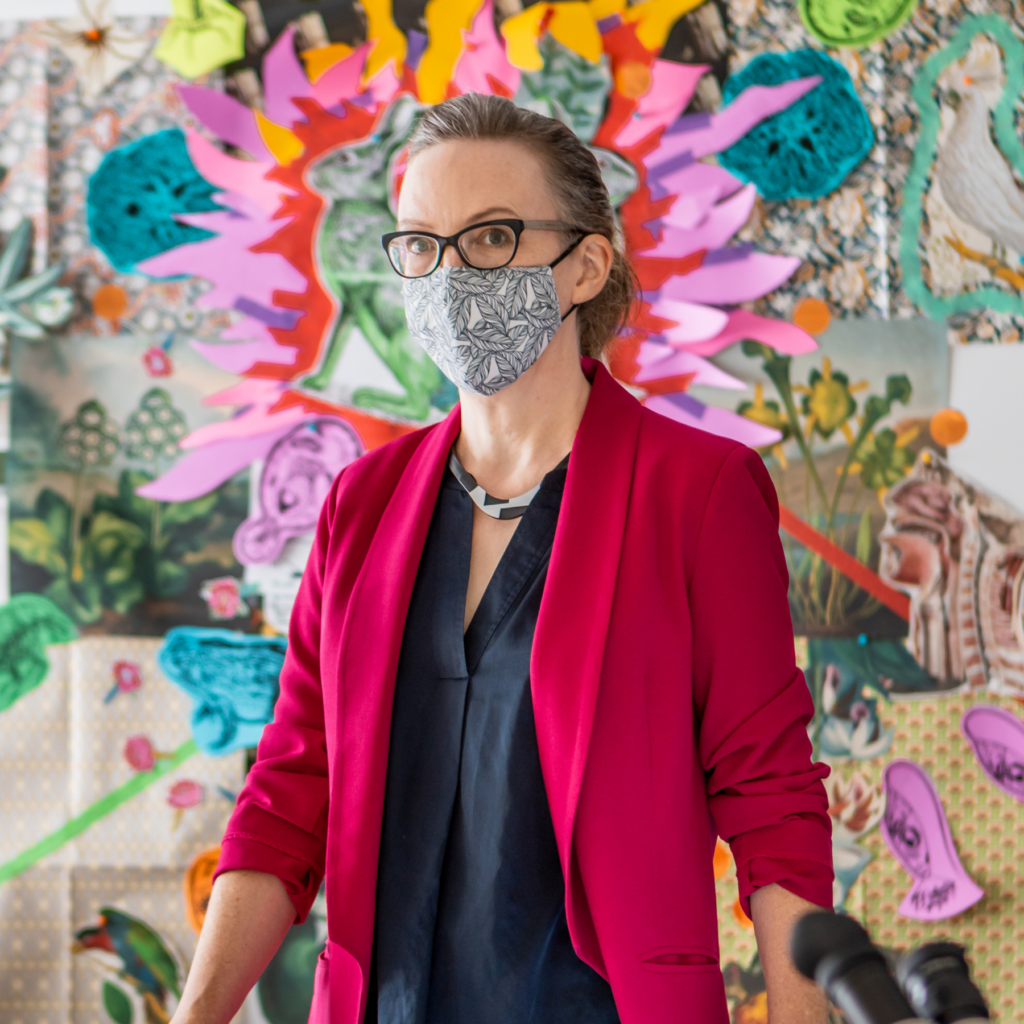
Presenter: Dr. Jennifer Willet, Director, INCUBATOR Art Lab, Canada Research Chair in Art, Science and Ecology, Professor, School of Creative Arts, University of Windsor
Dr. Jennifer Willet is an artist, a Canada Research Chair in Art, Science, and Ecology, a Professor in the School of Creative Arts at the University of Windsor and the Director of INCUBATOR Art Lab, founded in 2009. She is a member of the College of New Scholars, Artists, and Scientists in the Royal Society of Canada. Willet is a leader in the Canadian bioart community, and works internationally as an artist and curator in the field. In 2018, Willet opened a new state-of-the-art bioart laboratory, and in 2020 a storefront bioart studio and community engagement centre in Windsor, Ontario, Canada. www.incubatorartlab.com
ACCESSIBILITY:
Please reach out to Jessica Lukas, Secretariat Coordinator, [email protected] if you require any accessibility accommodations or have questions.
This workshop will be held via Zoom – A Zoom link will be sent the day before the event.
ACKNOWLEDGEMENTS:
GOG gratefully acknowledges the funding contribution from the Museums Assistance Program, the Department of Canadian Heritage.


ABOUT GOG
Galeries Ontario / Ontario Galleries has over a 50 year history as an arts service organization (ASO) and represents over 260 members—public art galleries, museums, artist-run-centres, and arts organizations. For over 40 years, its annual award program has been defining the standards of excellence for the visual arts in Canada. Through advocacy on issues, policy, legislation to all levels of government, and delivery of innovative and cutting-edge professional development opportunities and network-building, GOG advances, empowers, and strengthens the visual arts sector in Canada.
Follow GOG on Facebook, Twitter, LinkedIn & Instagram!