The Data Shy to Data Driven (DSDD) Executive Program is helping to propel organizations into the world of digital literacy – using data to make productive, evidence-based decisions. Understanding the power of data will move your organization forward, expanding its presence, reach and impact for years to come.
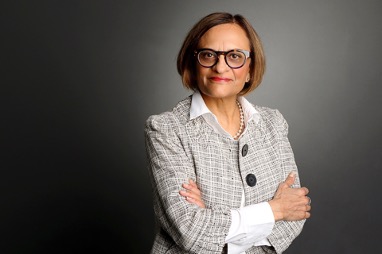
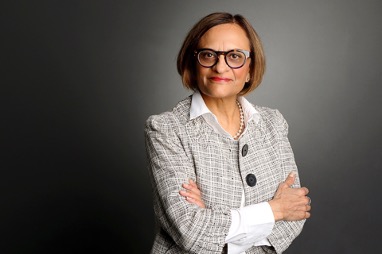
Galeries Ontario/Ontario Galleries Executive Director, Zainub Verjee was interviewed by Paula Kelly, Content Specialist for the DSDD Executive Program about our Data Shy Data Driven Program. Zainub elaborates on the importance on digital data within the visual art sector.
Why is it so important for art galleries to engage with the digital data ecosystem that surrounds us today?
It’s important to know that data is ubiquitous, it’s literally everywhere. Art galleries exist within this digital data ecosystem and vast quantities of data are generated continually. Internally, it’s associated with the collections, retail, audiences, accounts, operations, memberships, web traffic, volunteers, staff, all key core aspects of operating an art museum and the data associated with that. And externally, there’s so much data being generated constantly – the demographics, traffic, tourism, social media interactions, advertising, power consumption, utilities and so much more.
But art galleries and other institutions often don’t have the resources or skills to capitalize on this information and so I think that very crucial information is very often left untapped. I mean, where do your donors live, who are they, how do we find them?
Was there a specific turning point or moment of recognition for you that digital literacy was essential to the health of the cultural sector?
When I joined the organization, I realized that this was one key area of transformation that was needed for the sector. We’ve had a health crisis, an economic one, a social one and an environmental one and it’s raised a lot of questions about the reality of a lot of cultural institutions and their business viability. It’s made us question our assumptions. I think that assumptions are fundamental in any business case because they relate to risk and hence risk management. And data helps us directly understand what assumptions have been made.
How did GOG evolve its role in assisting member organizations to engage and participate in data practices?
I would say this whole idea about data and how it is being used, has been around for a long time. I’ve been doing this work since the nineties – at the Canada Council we created the digital arts network that was looking at all these issues and we were recommending federal government policy initiatives around this, so this is not new. So when I joined GOG, I systematically created a pathway to building literacy through workshops. We had several initiatives and one was workshops such as digitization of collections. We did that in 2017 – it really looked into the best strategies, skills and practices associated with the digitization of collections and its concomitant issues like licensing, copyright, etc. We also did cataloging and retail management in the digital age.
What inspired the Data Shy to Data Driven program model?
When I took this job on, it was very clear to me that for future direction and future growth and future sustainability and being able to survive and thrive, that the sector needed to build on this. So, I conceived of this program and I called it Data Shy to Data Driven. Data Shy really refers to the fact that cultural institutions have been shy or have been unable to engage with the digital data ecosystem and to really build that literacy towards being more data driven. Now, everyone does produce data and some statistics because our funders have expectations, but all the data produced is actually to satisfy the needs of the funders as opposed to trying to find the data that’s most relevant and useful to us.
GOG has partnered with Surface Impression on the DSDD program – can you describe the nature of that partnership and how it came about?
In 2018, I worked in partnership with the Robert McLaughlin Gallery in Oshawa to do the Ideas Digital Forum. It explored not only the history of the engagement of artists with digital technologies, but also a policy perspective and a philosophical perspective.
The Ideas Digital Forum is where I first met Peter Pavement (founder of Surface Impression), he had sponsored this event, and that’s when I realized that he would be a good partner to do this work with us. I had a meeting with him and presented to him this idea of Data Shy to Data Driven and he said, yes, let’s do this, I’m in. And we went ahead and created the partnership and we put in the grants and we received all the grants and created a program.
What are some of the highlights of the DSDD program that you’ve seen in terms of member participation and progress?
Yes, so let me tell you a little bit about the program. It came together with three partners and a cohort of eight galleries to work through the program, and basically we took them through several stages. It started with an introduction to data in the gallery, whether it was membership or audience or whatever people wanted to work on. Other parts of it dealt with data visualization and then analysis, leading towards data-driven decision-making.
For me what is really crucial is that we have been very directed by funding agencies as to what accounts for success and I feel also that museums have been pushed very much into a box office model and that becomes problematic. I think we have this opportunity to say, “what are the new metrics for galleries,” in the era of COVID and beyond? How do we measure value now when the whole idea of key performance indicators was upended by COVID? I mean footfalls were no longer a measure of success because no one was going into galleries. You couldn’t measure footfalls which is a very classic metric, so how could the sector frame its value to its stakeholders? A very interesting question.
Data analysis can present challenges when it comes to capacity and technological expertise. What advice do you have for member galleries in meeting those challenges?
People always think digital transformation is about technology, but digital transformation is not about technology actually, it’s something different. Digital transformation is about how we will survive in the digital economy. And while we have to understand the technology and what it can do, we also have to have organizational transformation. It requires different types of people, it requires the changing role of management, changing role of leadership. And I think the pandemic really accelerated this whole idea and whether we’re ready for it or not, it’s happening. No one is waiting for us and so what does this actually mean? Digital transformation is very much about how an organization will operate and deliver value to its stakeholders.
How do Canadian arts organizations compare with other countries when it comes to data literacy?
My observations are that in the United States and the United Kingdom, for instance, we’ve looked at a lot of the working coming out of there and they’re far ahead in terms of this data work. And I think we’ve been very behind generally in Canada, especially in the cultural sector. There are many projects afoot that are looking at working towards this, and ours (DSDD) is just one of them, the one that we’re leading and so I think that slowly there is something building, but you know we are behind, we’re very dependent on the funding.
What are some key aspects of data and digital practices that you want your members to take away from the program?
As I said, footfalls may no longer be the measure of success. For example, how can data expose racism? Everybody keeps talking about decolonization, so how can data expose racism or colonial power and structural barriers that exist within an institution or even in a collection, right? How will data expose possibilities of new correlations between the personal and the artifact, between people and the collection, between content and the institution or even accessibility for viewers and artists? Or how can we take collective action? There is a lot of power in this work that we’re doing, but I think the agency remains with the people who are doing it, how much they really want to make the change.
Understanding the data and building the data literacy can perhaps provide new business models altogether for the ways that galleries work and operate. They can change their missions, they can change their mandates, and so I think this work is crucial, very important with a huge opportunity to reset. I believe the new art museum sector should be defining what it thinks are the metrics for success.